
Twenty years of care, counted one patient at a time.
Permanent clinics in Pakistan. Emergency medical missions on three continents. More than a million documented patient contacts since 2006 — and a new program placing rehabilitation and recovery equipment where almost none exists.
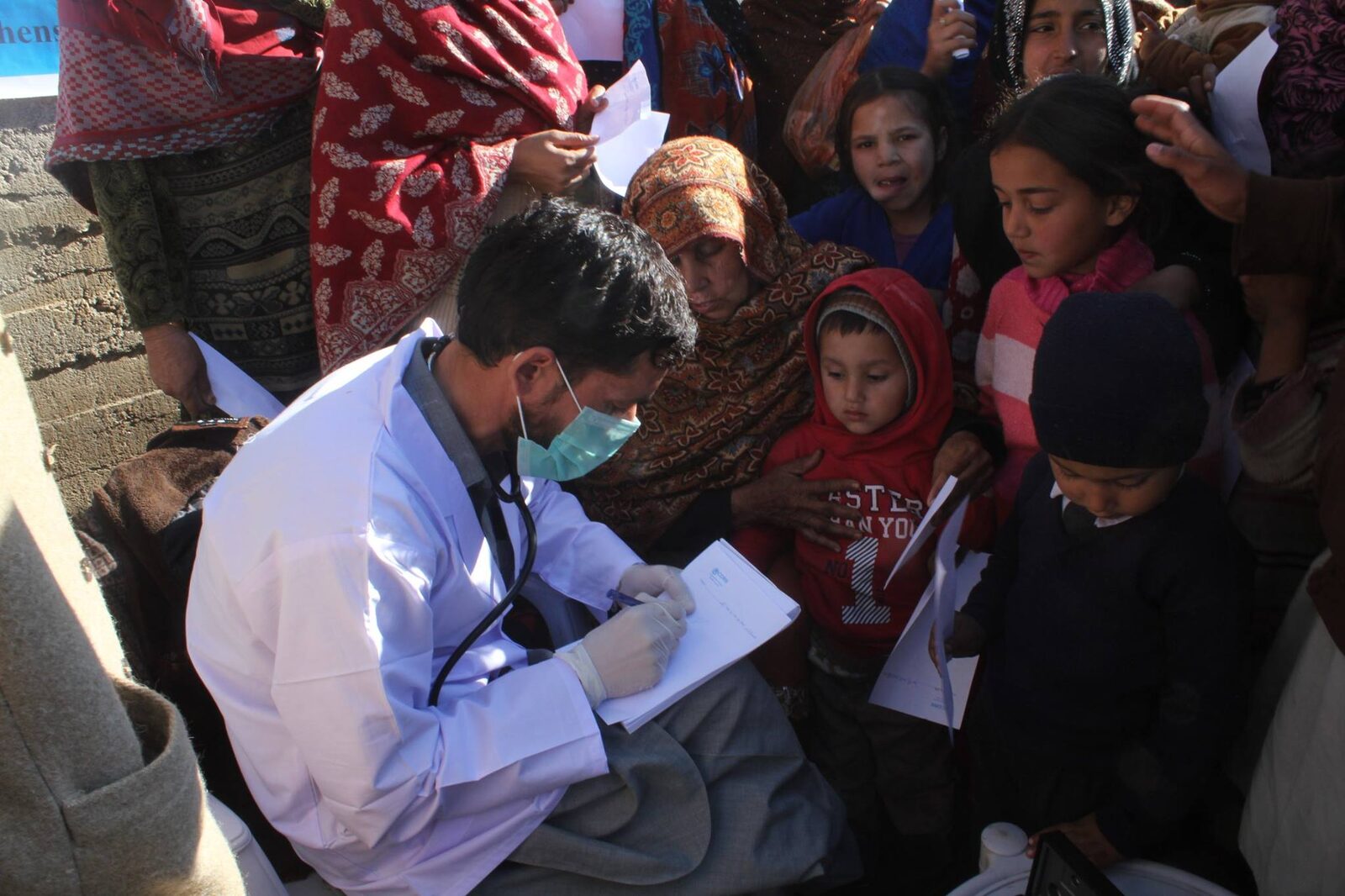
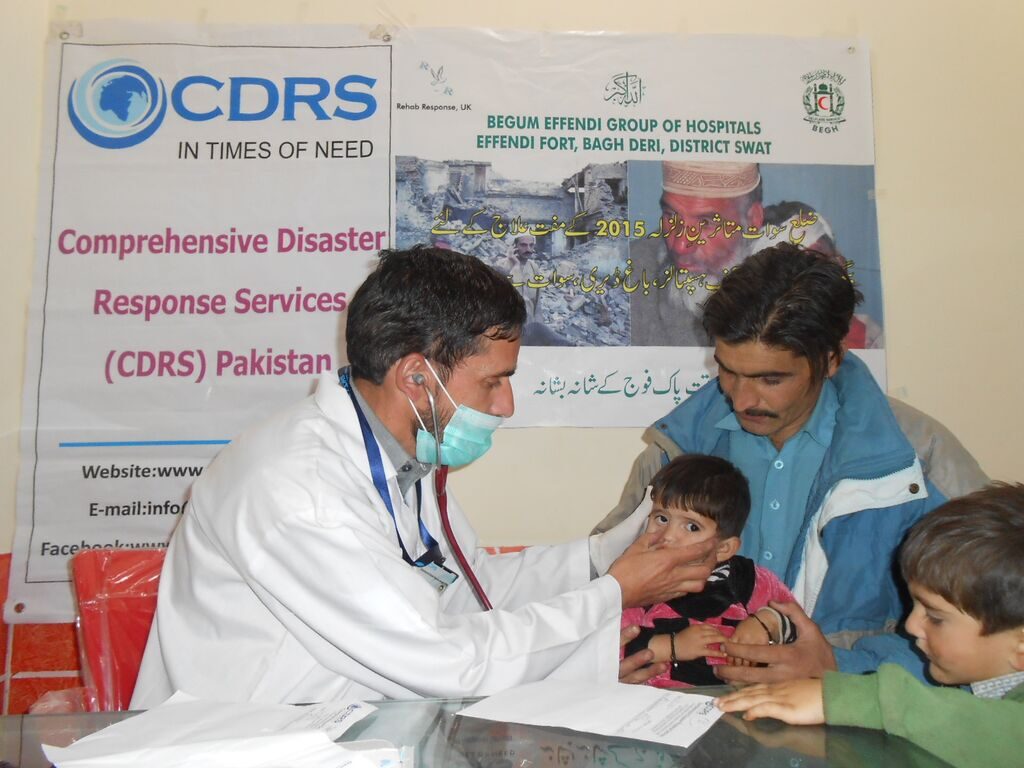
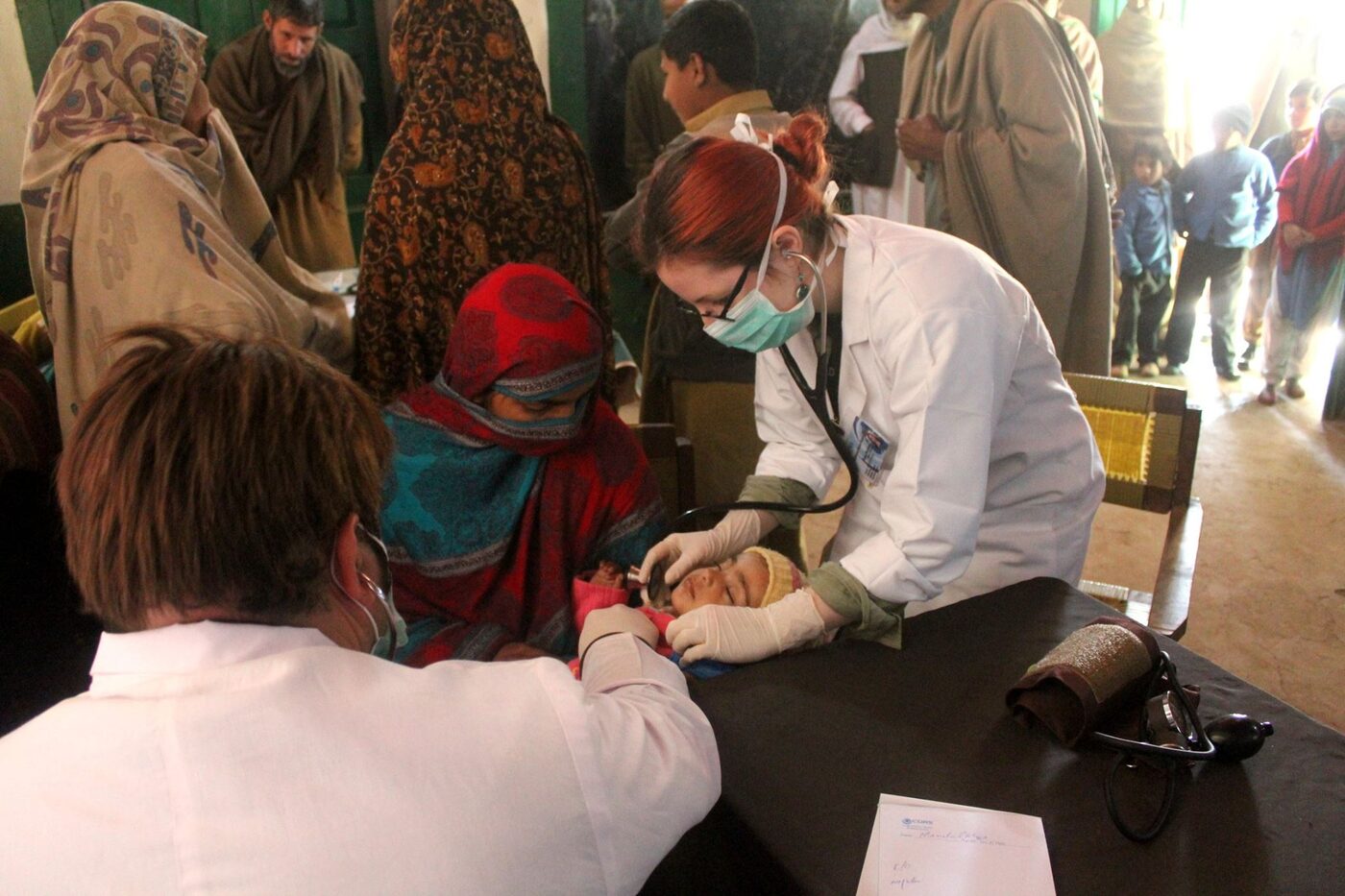
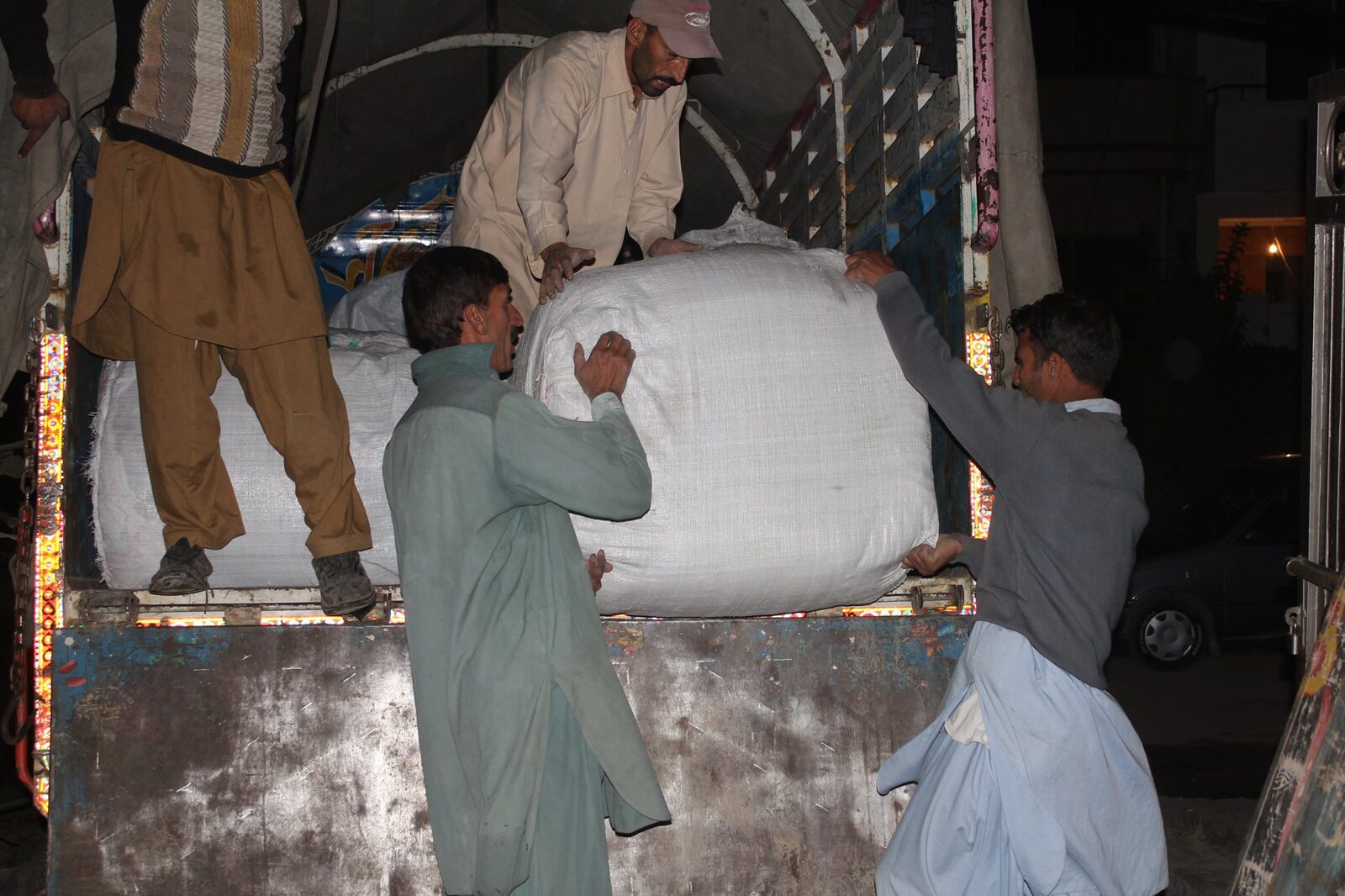
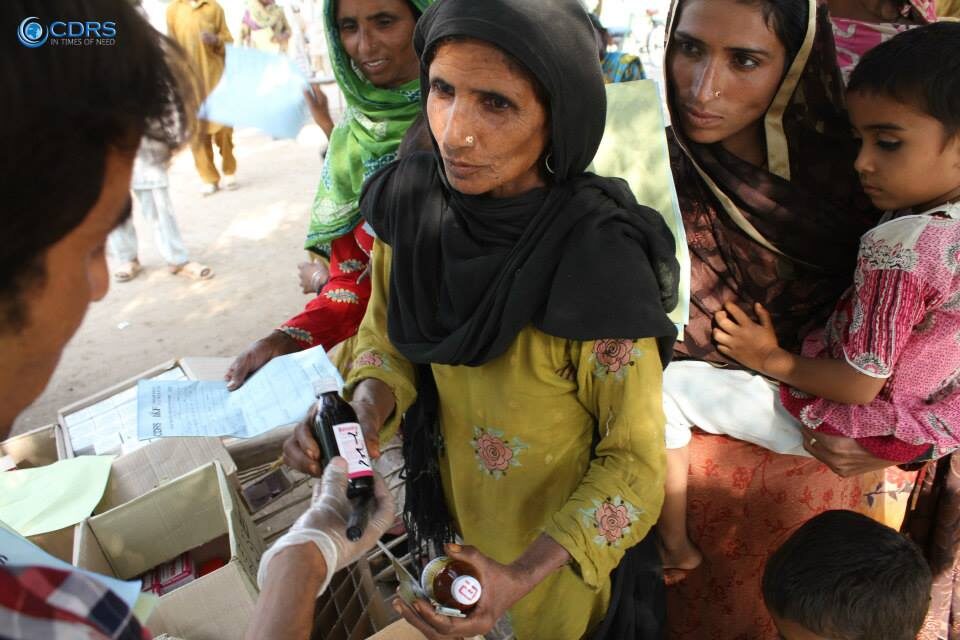
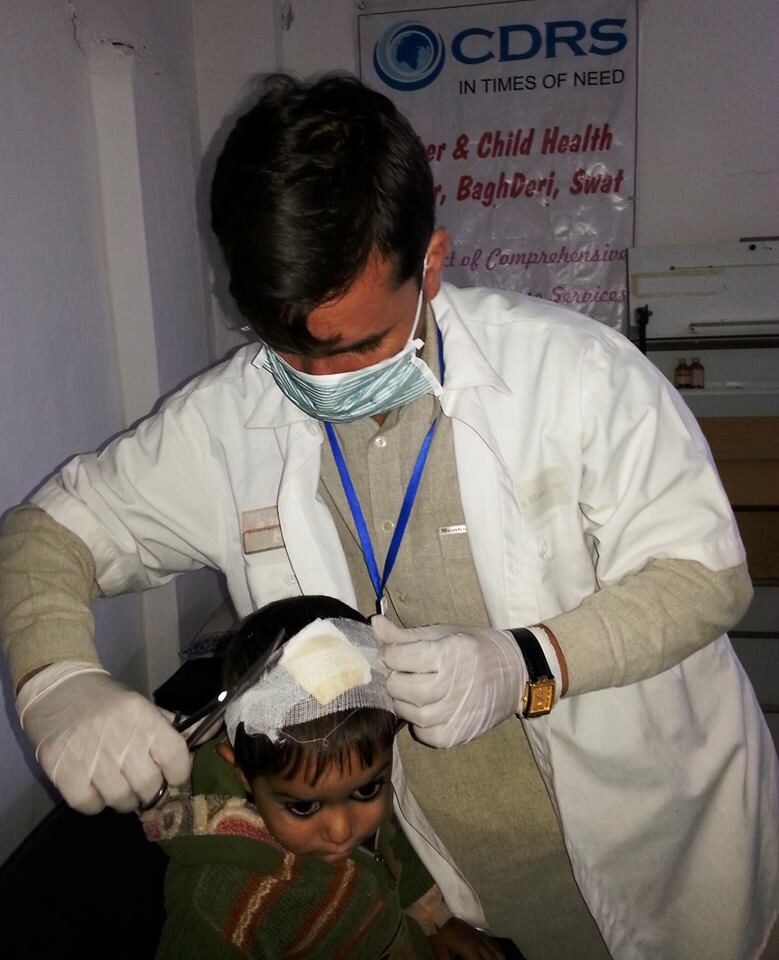
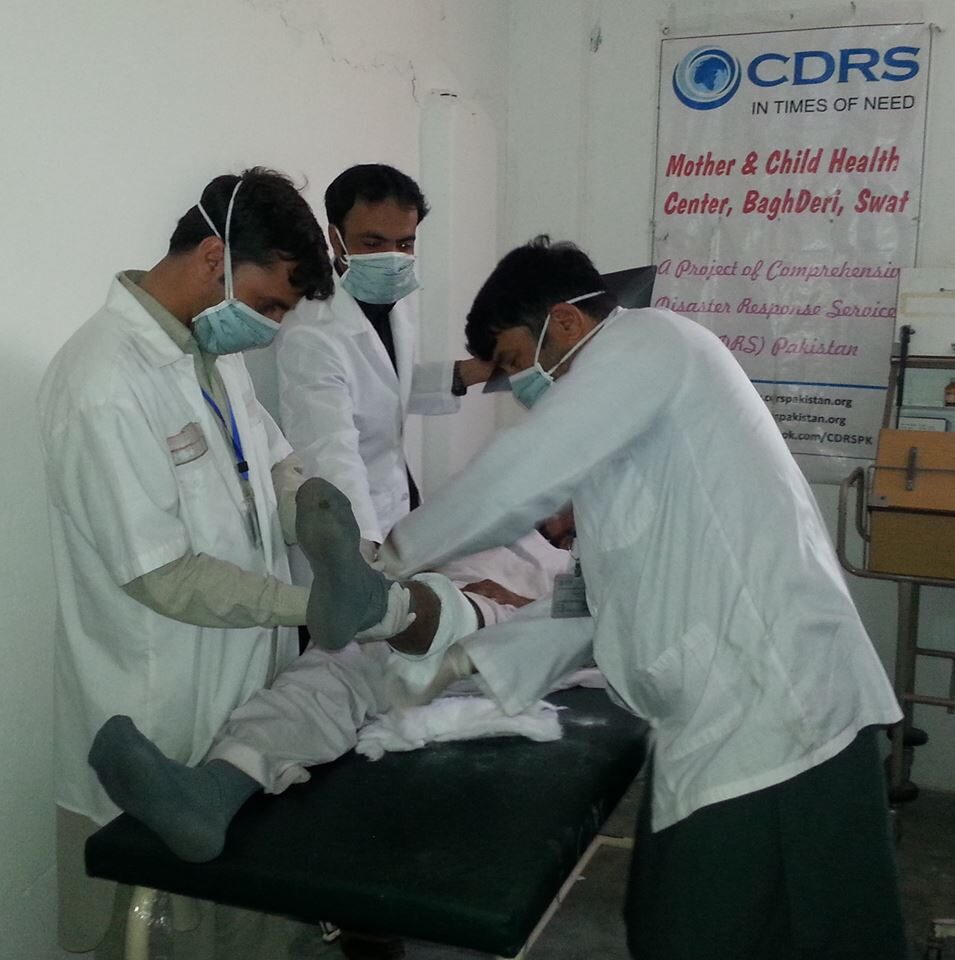
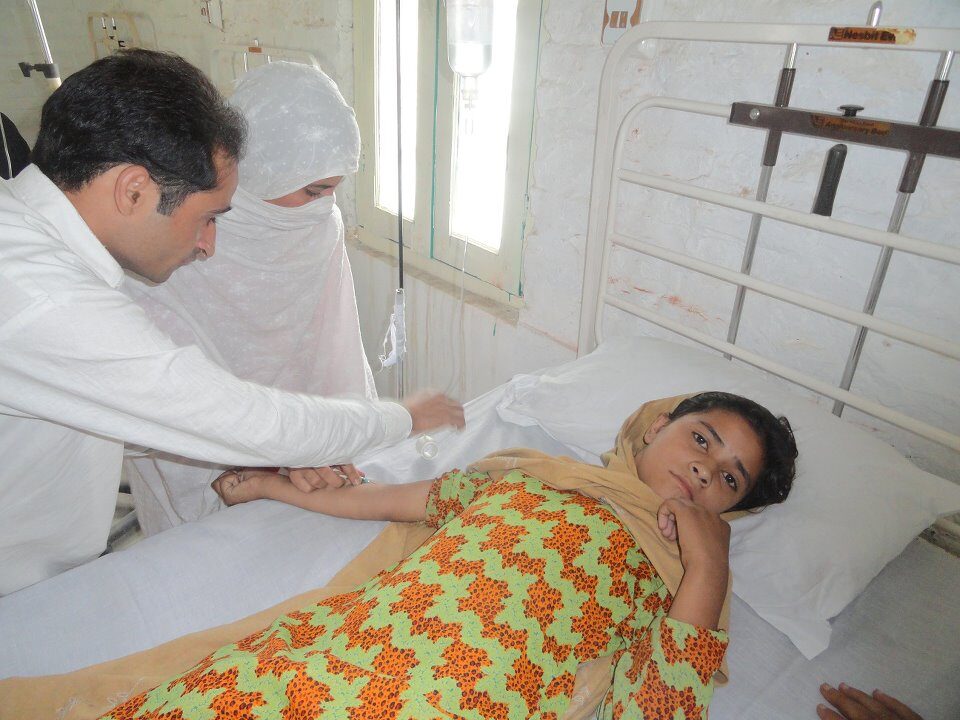
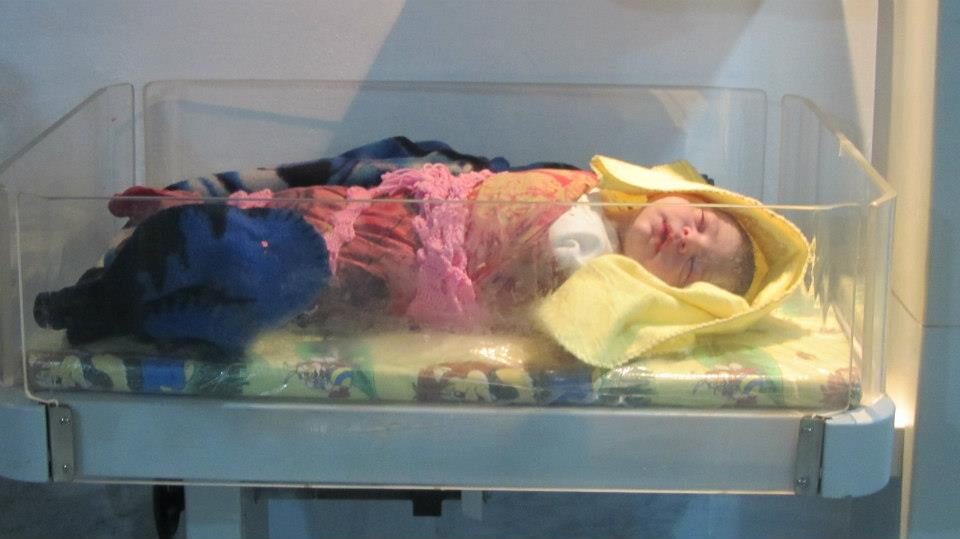
Every patient contact, counted and reconciled.
CDRS has recorded patient contacts continuously since 26 March 2006 — by facility, by mission, disaggregated by age and sex. These are the totals from that record.
Where the care was delivered
Who we treated
Nearly half of everyone CDRS has treated was a child, and more than half were women or girls — a direct consequence of building mother-and-child facilities where none existed.
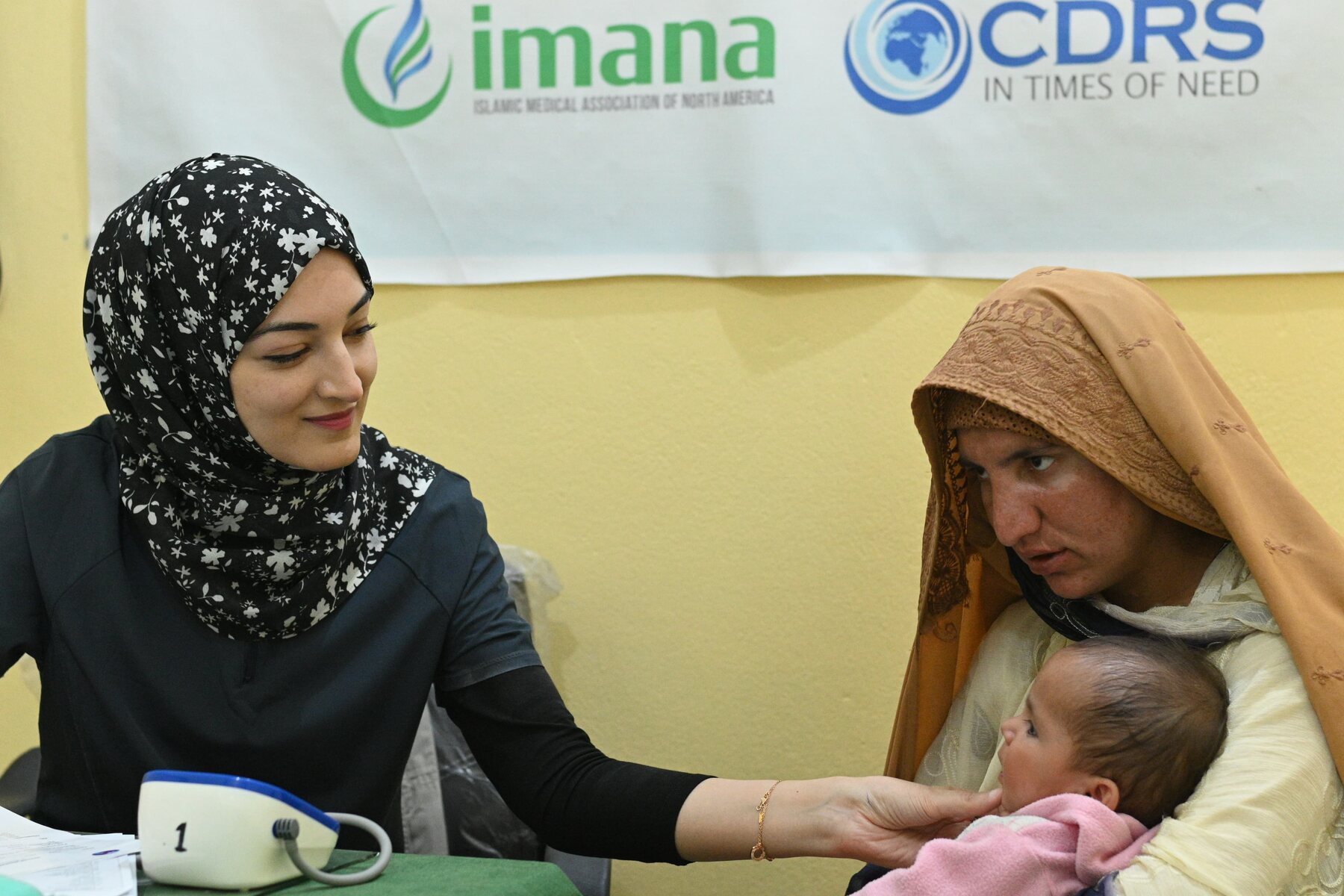
Where we work, and what we've done there.
Choose a country, filter by the kind of work, and hover any point.
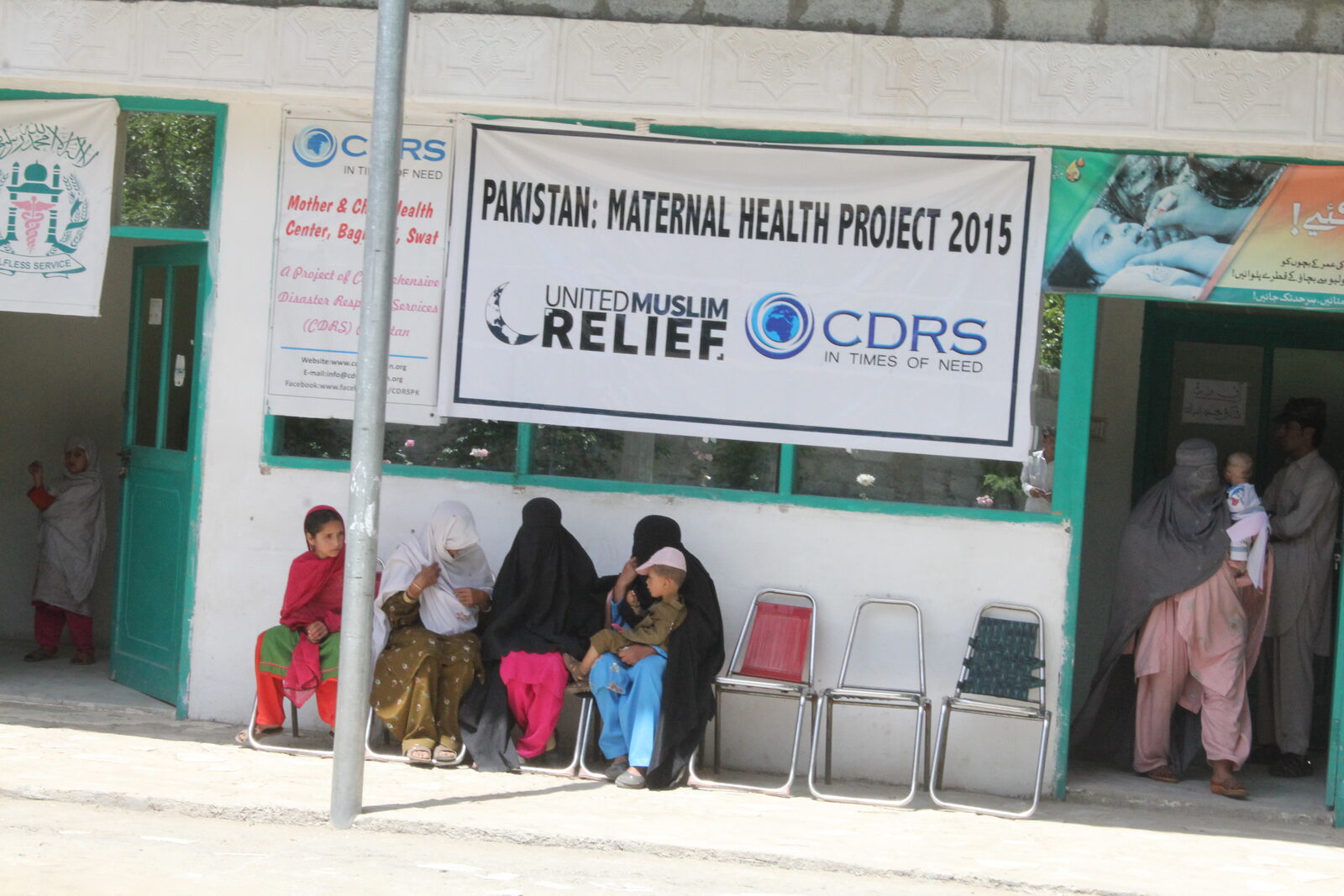
CDRS Mother & Child Health Center
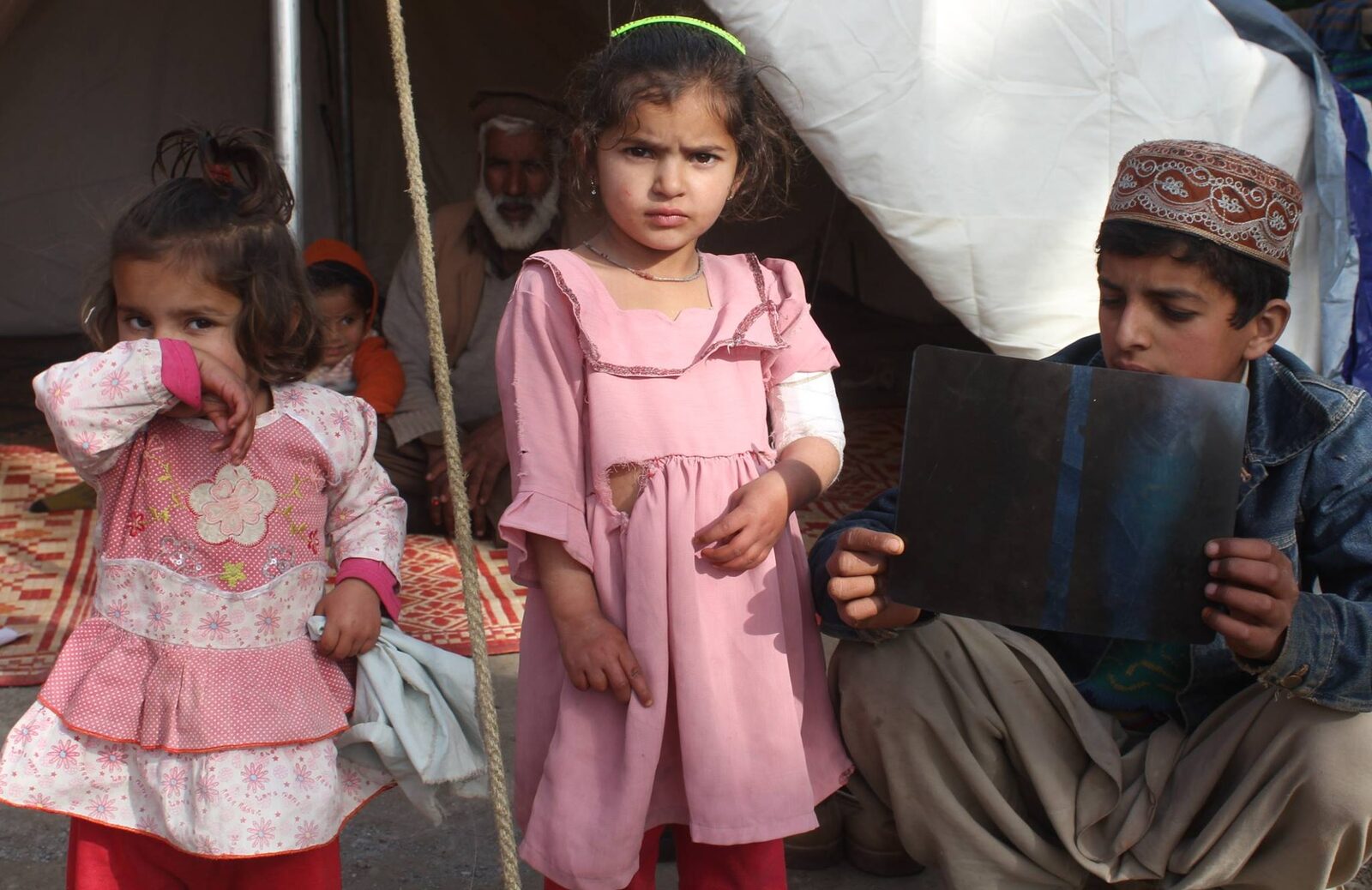
Chaudhry Mushtaq Child Clinic
Two countries. More than 5% of everyone alive.
Pakistan and Bangladesh are home to more than 425 million people — roughly one in every twenty on earth. Understanding the ground explains why equipment placed here goes so far. Additional geographies are under evaluation.
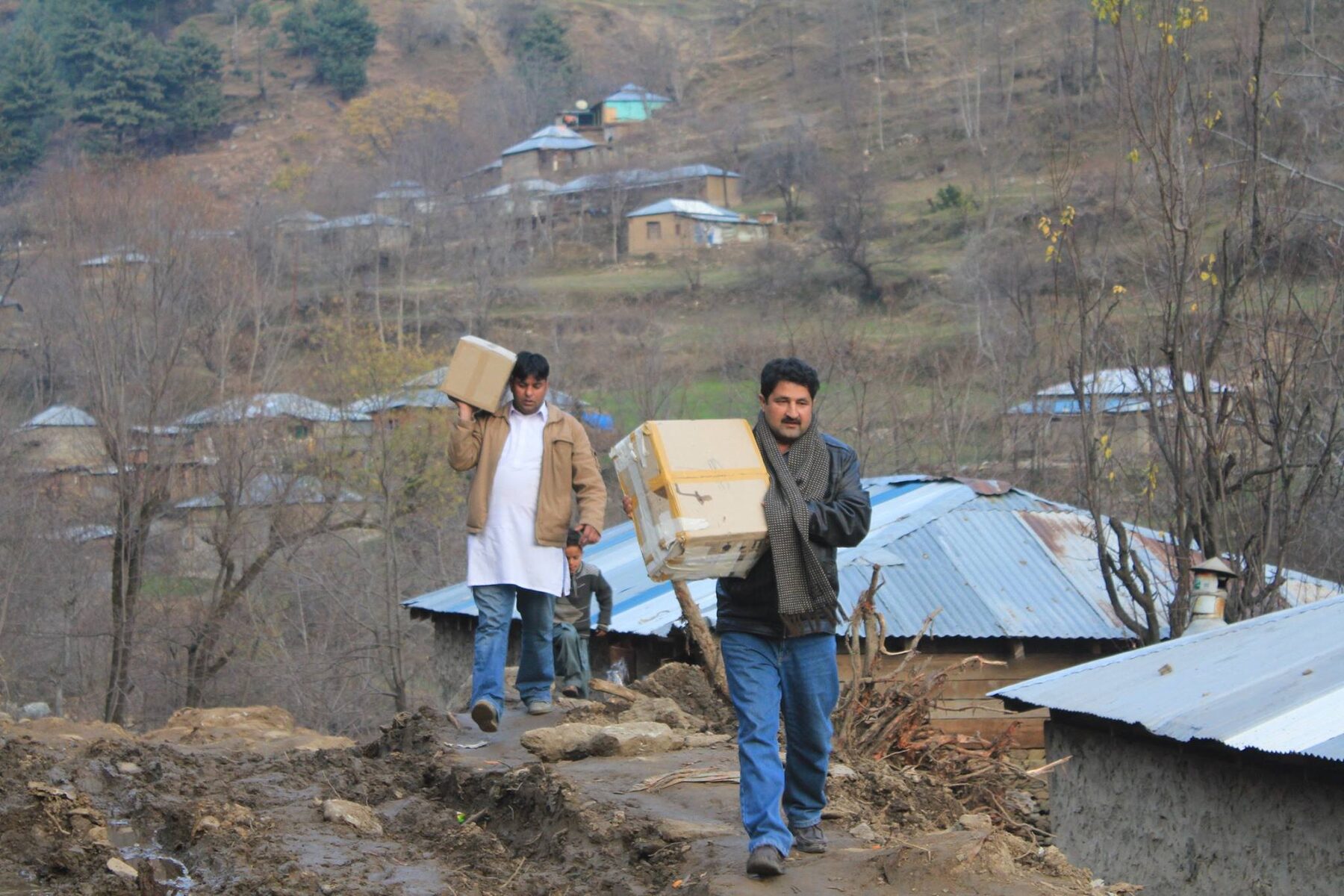
Pakistan
70% of people live rurally; only 22% of physicians do. The 2022 floods alone affected 33 million.
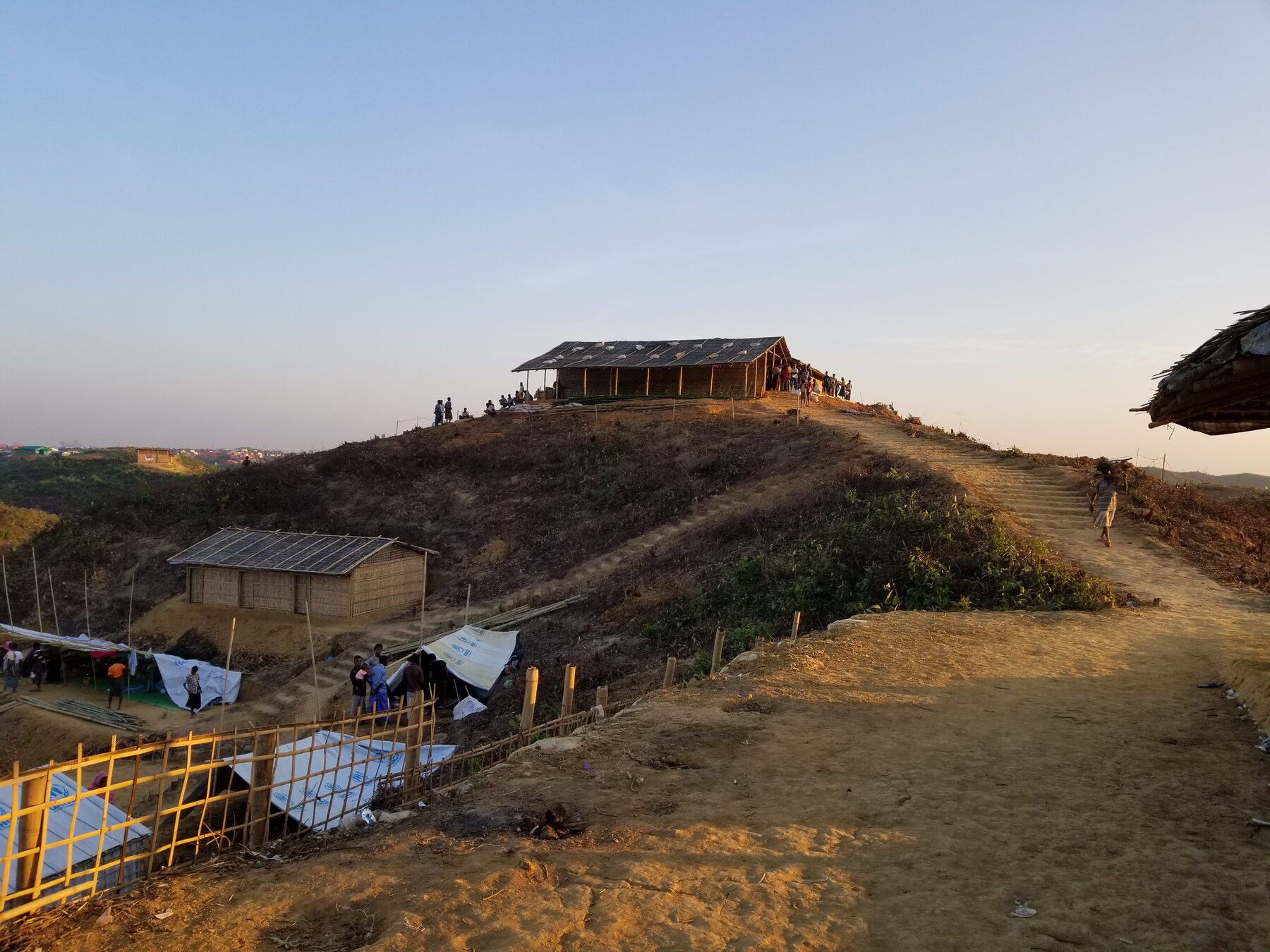
Bangladesh
Among the densest nations on earth, and host to the world's largest refugee settlement.
 Assessing new geographies for the rehabilitation program
 Other geographies
CDRS has delivered missions across three continents. New countries are named only once a receiving facility is confirmed.
We work with the organizations that can vouch for us.
North American physician associations, teaching hospitals and welfare trusts — most of these relationships are active today.

Islamic Medical Association of North America
Joint disaster response since the 2005 earthquake, plus the Haiti earthquake field hospital. IMANA physician volunteers run recurring camps at our Swat center — most recently May 2026 — and deployed with us on the 2025 Buner flood mission.
Association of Physicians of Pakistani Descent of North America
Partner on the 2005–2009 earthquake missions, the 2010 floods and the 2020–2021 COVID-19 response, plus specialist dental camps in Swat.
Nishtar Medical College Alumni Association
Procured ventilators, ICU beds, echo Doppler, high-flow respiratory therapy and compression limb therapy for Nishtar Hospital. Also backed its Autism Center and Psychiatric Research Centre.
Mayo Hospital, Lahore
Delivered 55 hospital beds for the COVID-19 ward.
HOPE
The First Hope Center, Lahore
Program funding and donor engagement.
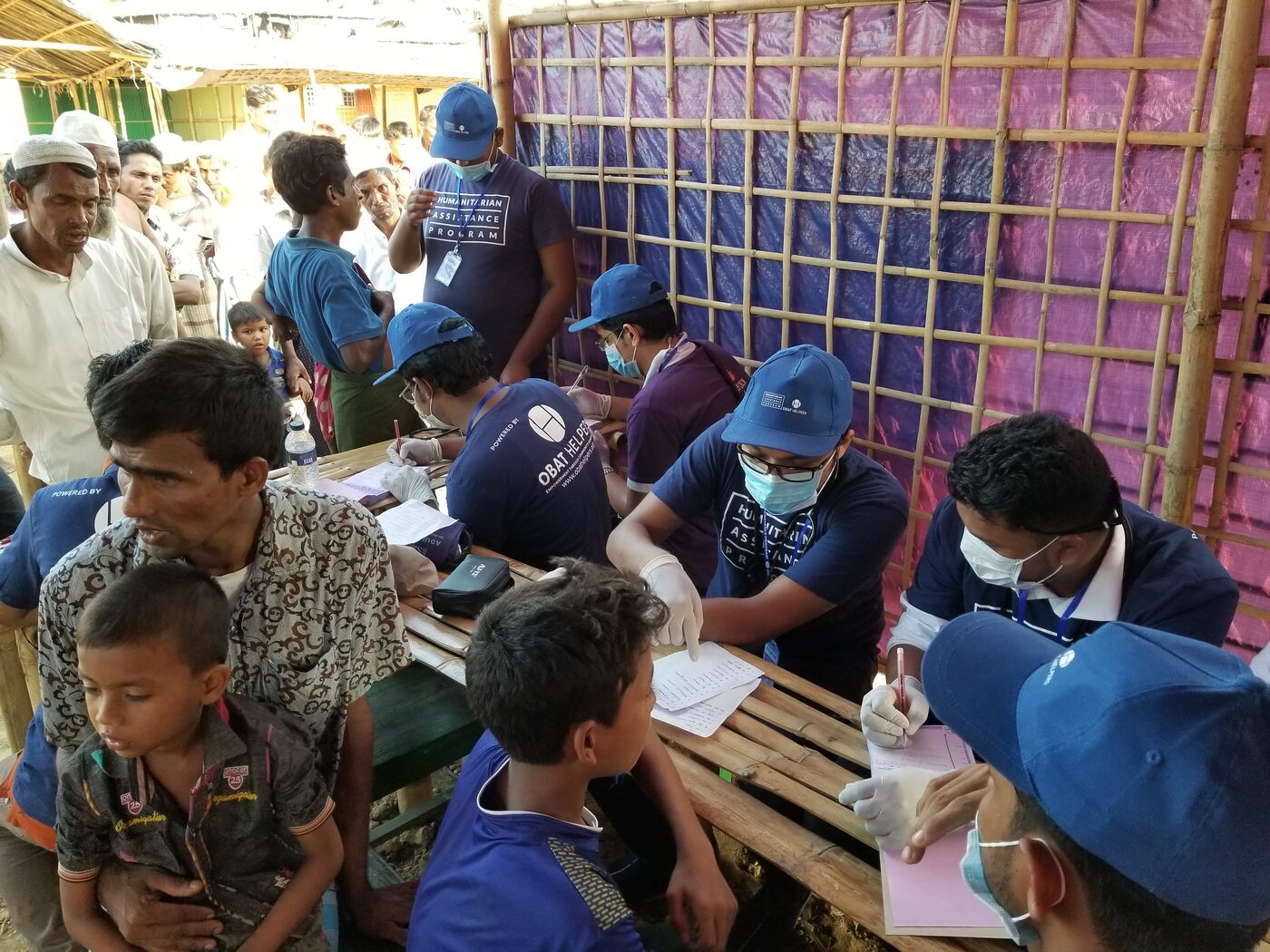
OBAT Helpers
Medical volunteers, medicines and a community health center for Rohingya refugees in Bangladesh.
TRUST
Brig. Sahib Dad Khan Welfare Trust
Co-operates our Karam Bagh child clinic in Kharian.
ARMY
Pakistan Army
Joint medical camps including the 2025 Astore Valley mission in Gilgit-Baltistan.
Share to Care Foundation
Community clinic established in Chitral.
TRUST
Wali Welfare Trust
Long-running free eye camp program across Swat and Gujrat.
Fatima Tu Zahra Mother & Child Hospital
Medical equipment and supplies to expand maternal capacity.
The same team since the earthquake.
Founder Todd Shea responded to 9/11, Hurricane Katrina and the Sri Lanka tsunami before arriving in Pakistan in 2005 — and staying.
Meet the team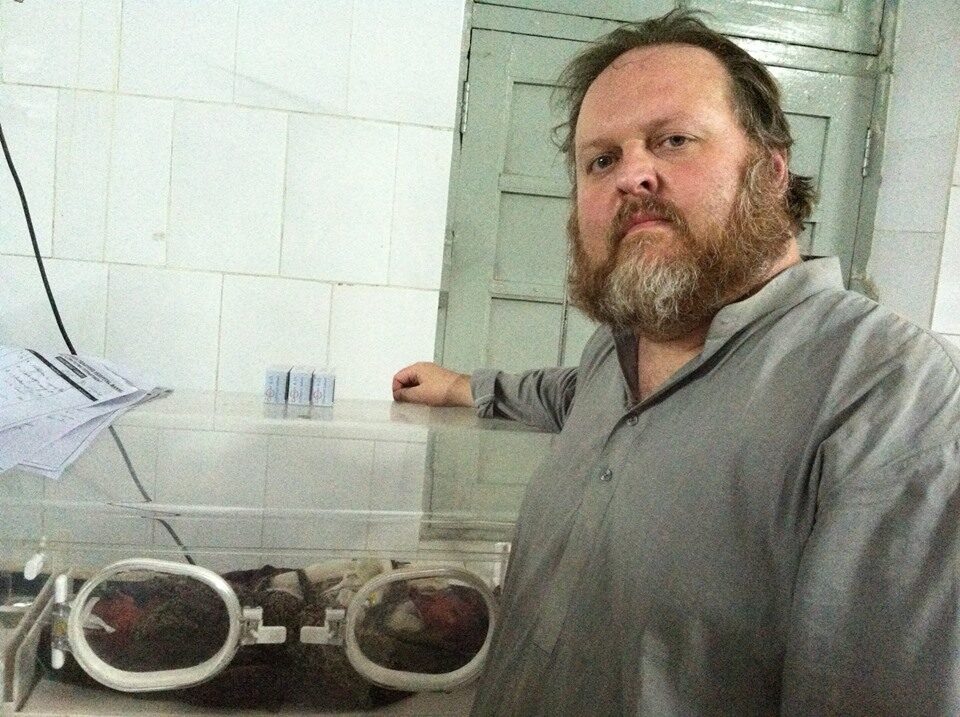
We can treat a spinal injury. Then we send the patient home to a country with almost no rehabilitation at all.
Across every country where CDRS works, the gap between people who need rehabilitation and the capacity to provide it is among the widest on earth. Donated recovery equipment does more here than almost anywhere else it could go.
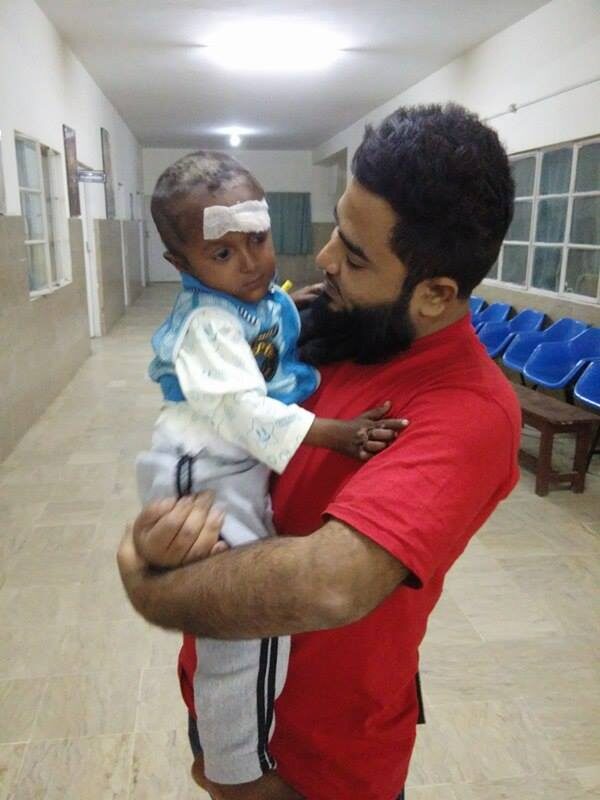
Where donated recovery equipment goes furthest.
Pakistan
An estimated 27 million people live with disability, served by roughly 14,000 physiotherapists nationwide. Falls from height (30%) and road traffic dominate spinal injury, and paraplegia is the majority presentation at rehabilitation admission.
Bangladesh
Spinal cord injury runs 15–40 per million a year, mostly young rural men injured by falls (45%) and road traffic (26%). Low back pain is the country's leading cause of disability. Nearly 70% of spinal injury patients come from rural areas with no local rehabilitation at all.
Other geographies
CDRS has delivered medical missions and equipment across three continents. Several further geographies are being assessed for rehabilitation equipment placement, each against the same three tests before it is named publicly.
How a donated machine becomes a treated patient.
A dedicated gifts-in-kind program for therapeutic, rehabilitation and pain-recovery equipment, running on the same logistics that have moved medical supplies into disaster zones for twenty years.
What we accept
Therapeutic recovery and hydro-massage systems, physiotherapy and mobility equipment, pain-management devices and patient-handling equipment — each reviewed for clinical fit and serviceability.
Where it goes
Affiliated hospitals, rehabilitation units and outpatient clinics, prioritising facilities serving spinal injury, stroke recovery, chronic pain and low-mobility patients.
How placement works
Review, written acceptance, customs and delivery, installation with staff orientation, then placement confirmation with photographs and facility attestation.
How impact is reported
Facilities report patient throughput and equipment uptime periodically. Donors receive placement records and utilization summaries.
Data sources
- CDRS All-Time Patient Contacts Report, 26 March 2006 – 3 July 2026, facility-level records maintained by CDRS.
- WHO, Rehabilitation 2030 initiative — global rehabilitation need.
- Pakistan 2023 Census; World Bank population and land area data.
- UNHCR — 2022 Pakistan monsoon floods, 33 million people affected.
- UN / UNHCR and humanitarian sector reporting — Rohingya refugee population, Cox's Bazar.
- Epidemiology of Spinal Cord Injury in Bangladesh, Centre for the Rehabilitation of the Paralysed, 2011–2016 (n=2,184).
- Prevalence of musculoskeletal conditions and related disabilities in Bangladeshi adults, BMC Rheumatology (2020).
- Low back pain in the Bangladeshi adult population: a cross-sectional national survey (2022).
- Prevalence and risk factors of stroke in Bangladesh: nationwide population-based survey (2022).
- Health-related quality of life in post-stroke patients, Frontiers in Stroke (2024) — rehabilitation unit density.
- World Physiotherapy workforce density, Pakistan (2026).
- WHO (2014) disability estimates for Pakistan; Growing Burden of Stroke in Pakistan.
- Quality of life after stroke in Pakistan (2016) — stroke prevalence estimate.
- Epidemiology of Spinal Cord Injury in Pakistan, Paraplegic Centre Peshawar (2017).
- Maldives 2022 Census (Washington Group Short Set); Maldives Situational Analysis on the Rights of Persons with Disabilities (2025).
- Disability and the achievement of Universal Health Coverage in the Maldives, PLOS One (2022).
- World Bank / WHO Global Health Observatory — hospital bed and physician density.